Good Friday

As we approach Good Friday, we are drawn into a sacred and solemn time of reflection, contemplation, and remembrance. This day holds deep significance in the Christian faith, marking the crucifixion of Jesus Christ, the Son of God. It is a day of profound sorrow and yet, one of profound hope—the day when Jesus willingly laid down His life for the redemption of humanity.
As we set the scene for Good Friday, we are invited to journey with Jesus to the cross, to stand at the foot of Calvary, and to witness the immense love and sacrifice that He demonstrated for each one of us. It is a time to pause, to pray, and to ponder the immeasurable depths of God’s grace and mercy, poured out for us on this day of days.
The Suffering Servant
In Isaiah 53:1-5, we are presented with a striking portrayal of the suffering servant, a figure whose identity and significance have been widely debated throughout history. This passage, often referred to as the “Suffering Servant” passage, offers profound insights into the redemptive work of Jesus Christ and the nature of His mission on earth.
The passage begins with a poignant question: “Who has believed our message? And to whom has the arm of the Lord been revealed?” (Isaiah 53:1). Here, the prophet Isaiah reflects on the disbelief and rejection that the message of the suffering servant would encounter—a message that would ultimately reveal the power and presence of God in unexpected ways.
As the passage unfolds, we are given a vivid description of the suffering servant’s journey: “He was despised and rejected by mankind, a man of suffering, and familiar with pain. Like one from whom people hide their faces he was despised, and we held him in low esteem” (Isaiah 53:3). Here, we see the suffering servant depicted as one who experiences rejection, ridicule, and physical pain—a portrayal that finds its ultimate fulfillment in the crucifixion of Jesus Christ.
Yet, amidst the suffering and rejection, there is a deeper purpose at work: “Surely he took up our pain and bore our suffering, yet we considered him punished by God, stricken by him, and afflicted. But he was pierced for our transgressions, he was crushed for our iniquities; the punishment that brought us peace was on him, and by his wounds, we are healed” (Isaiah 53:4-5). In these verses, we glimpse the profound mystery of redemption—the suffering servant willingly takes upon Himself the sins of humanity, bearing the full weight of our guilt and shame, so that we may be reconciled to God and experience true healing and peace.
As we reflect on Isaiah 53:1-5, we are invited to contemplate the sacrificial love and redemptive power of Jesus Christ—the ultimate fulfillment of the prophecy of the suffering servant. Through His death on the cross, Jesus bore our sins and secured our salvation, offering us forgiveness, restoration, and eternal life. May we embrace this profound truth and respond with gratitude, reverence, and awe for the One who gave His life for us.
The High Priest Questions Jesus
In John 18:19-26, we find Jesus standing trial before the high priest, Caiaphas, shortly after His arrest in the Garden of Gethsemane. The scene is charged with tension and hostility as Jesus is interrogated about His teachings and His disciples. Despite the intense pressure and accusations leveled against Him, Jesus remains resolute and unwavering in His response. When questioned about His disciples and His teaching, Jesus boldly asserts that He has spoken openly to the world and has taught nothing in secret.
This assertion challenges the legitimacy of the secretive and manipulative tactics employed by His accusers. However, as the interrogation continues, Peter, one of Jesus’ closest disciples, finds himself caught in a moment of weakness and fear. When questioned by bystanders about his association with Jesus, Peter denies any knowledge of Him, fulfilling Jesus’ earlier prediction of his denial. This passage serves as a stark reminder of the frailty of human resolve in the face of adversity and the importance of standing firm in our faith, even in the midst of trials and tribulations.
Jesus Before Pilate
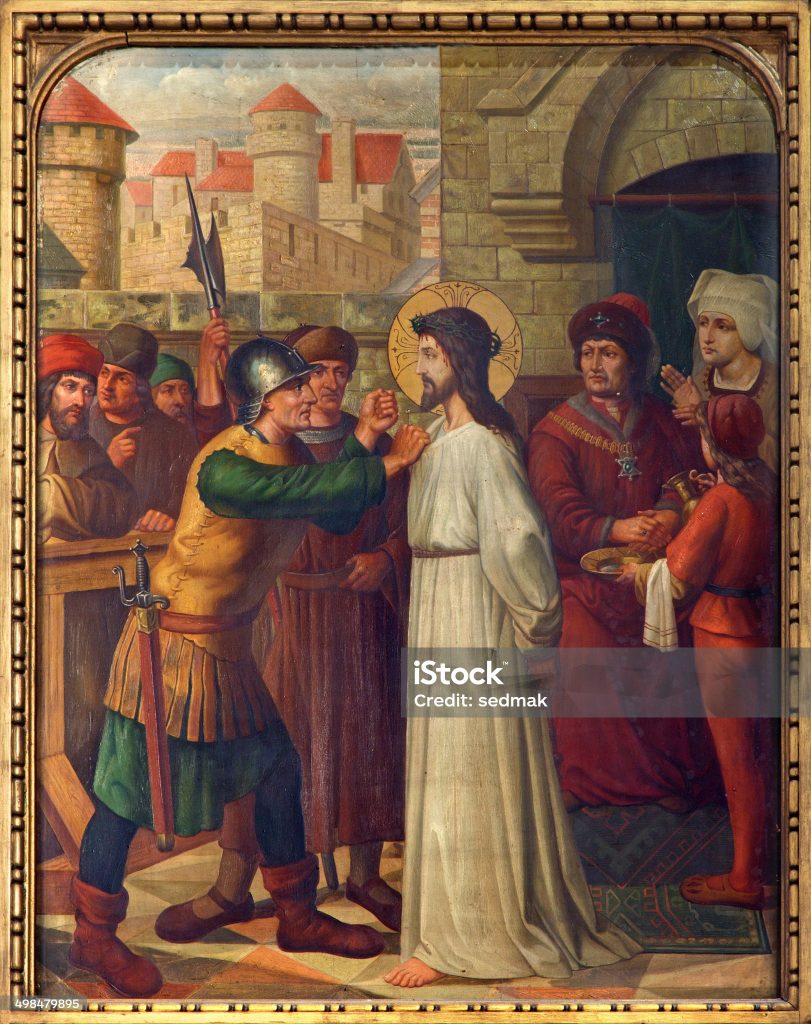
In John 18:28-40, we witness Jesus being brought before Pontius Pilate, the Roman governor of Judea, for further interrogation. The religious leaders, who had already condemned Jesus, refused to enter the governor’s headquarters because they didn’t want to be defiled before eating the Passover. This reveals the hypocrisy of their outward piety contrasted with their inward corruption and injustice. Pilate comes out to meet them and asks what charges they bring against Jesus.
They accuse Him of wrongdoing but refuse to specify any crimes, instead insisting that He deserves punishment according to their law. Pilate, recognizing their lack of evidence, tells them to judge Jesus according to their own law. However, they reply that they cannot execute Him themselves, as they are subject to Roman law, and instead seek to have Pilate condemn Jesus to death.
This interaction highlights the political tensions at play and the manipulation of religious authorities seeking to maintain their power. Pilate, curious about Jesus’ claims to be a king, questions Him further. Jesus responds by affirming His kingship but clarifying that His kingdom is not of this world. He came to testify to the truth, and all who are of the truth listen to His voice. Pilate, puzzled by Jesus’ enigmatic response, asks, “What is truth?” before leaving Jesus and going back outside to the Jews.
In the end, Pilate finds no basis for charging Jesus with a crime, but the Jews persist in their demands for His crucifixion. This passage highlights the injustice of Jesus’ trial and the clash between earthly powers and the kingdom of God.
Jesus Sentenced to Be Crucified
In John 19:1-16, we witness the continuation of Jesus’ trial before Pontius Pilate, the Roman governor. Pilate, after interrogating Jesus, declares that he finds no basis for charging Him with a crime. However, the religious leaders and crowd insist that Jesus must be crucified, claiming that He has made Himself the Son of God, which they perceive as a threat to Roman authority.
Faced with the growing unrest among the people, Pilate seeks to appease them by having Jesus flogged. The soldiers, in a cruel and mocking display, dress Jesus in a purple robe, place a crown of thorns on His head, and hail Him as the “King of the Jews,” before striking Him and spitting on Him. Pilate presents Jesus to the crowd, hoping that the sight of His beaten and humiliated state will satisfy their thirst for vengeance.
However, the religious leaders and crowd demand Jesus’ crucifixion even more vehemently, declaring their allegiance to Caesar and rejecting any association with Jesus. Pilate, feeling increasingly pressured and unable to quell the unrest, hands Jesus over to be crucified, thus fulfilling the prophecy that Jesus would be lifted up from the earth. This passage vividly portrays the injustice and cruelty inflicted upon Jesus, as well as the political maneuvering and moral compromise that ultimately lead to His crucifixion. It serves as a powerful reminder of the human capacity for cruelty and the desperate need for redemption.
The Soldiers Mock Jesus
In Mark 15:16-20, we are presented with the harrowing scene of Jesus being mocked and ridiculed by the Roman soldiers before His crucifixion. After Jesus is handed over to the soldiers by Pontius Pilate, they lead Him into the governor’s headquarters, known as the Praetorium.
Once inside, the soldiers gather around Jesus, stripping Him of His clothing and dressing Him in a purple robe—a symbol of mockery and humiliation. They then fashion a crown of thorns and press it onto His head, causing Him unimaginable pain and suffering. In their cruel jest, they mockingly hail Him as the “King of the Jews,” bowing down before Him in mock worship.
With the crown of thorns pressing into His brow and the weight of the world’s sin upon His shoulders, Jesus endures this brutal mockery with silent dignity and grace. Though He possesses the power to call upon legions of angels to deliver Him, He willingly submits to this indignity for the sake of fulfilling the Father’s will and accomplishing the redemption of humanity.
This passage serves as a poignant reminder of the depth of Jesus’ sacrifice and the extent of His love for us. Even in the face of unspeakable cruelty and humiliation, Jesus remains steadfast in His commitment to the mission of redemption. As we reflect on this scene, may we be moved to gratitude and awe for the immeasurable love of our Savior, who endured such suffering on our behalf.
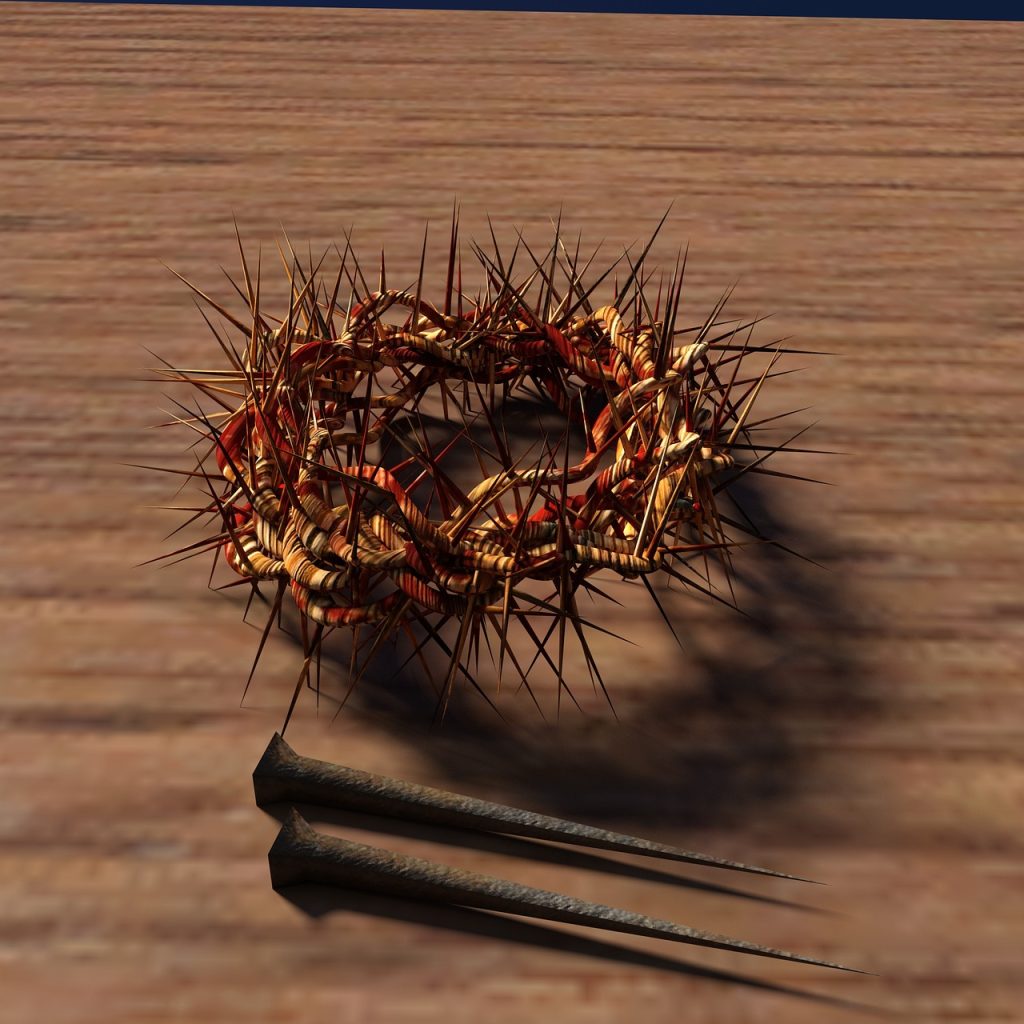
Summary: In Matthew 27:30-31, we witness the harrowing scene of Jesus’ mockery and abuse by the Roman soldiers. After Jesus is handed over to them for crucifixion, the soldiers cruelly strip Him of His clothes and dress Him in a scarlet robe, symbolizing mock royalty. They weave a crown of thorns and press it onto His head, inflicting pain and humiliation upon Him.
Then, in a grotesque parody of homage, they mockingly bow before Him, taunting Him with sarcastic words of “Hail, King of the Jews!” Finally, they spit on Him and strike Him on the head with a reed, further demeaning and degrading the Son of God. This passage poignantly illustrates the extent of Jesus’ suffering and humiliation as He willingly endures the mockery and abuse of those who reject and oppose Him.
The Crucifixion of Jesus
In John 19:17-27, we witness the agonizing journey of Jesus to Golgotha, where He is crucified. Bearing His cross, Jesus embarks on the final steps of His earthly ministry, surrounded by a crowd of onlookers and soldiers. Along the way, Jesus is weakened by the weight of His burden, necessitating the assistance of Simon of Cyrene to carry the cross. This act of physical help foreshadows the spiritual reality that Jesus willingly bears the weight of humanity’s sins on His shoulders.
Upon reaching Golgotha, Jesus is crucified alongside two others, fulfilling the prophetic Scriptures. Despite the excruciating pain and humiliation, Jesus displays remarkable compassion and forgiveness, interceding on behalf of His executioners, “Father, forgive them, for they know not what they do.” This profound act of grace exemplifies Jesus’ unwavering commitment to love and redemption, even in the face of unimaginable suffering.
As Jesus hangs upon the cross, His mother Mary, along with the beloved disciple John, stands nearby, witnessing the agony of her beloved Son. In the midst of His own anguish, Jesus demonstrates His concern for His mother’s welfare, entrusting her into the care of John. This tender moment underscores Jesus’ humanity and compassion, even as He endures the greatest trial of His life.
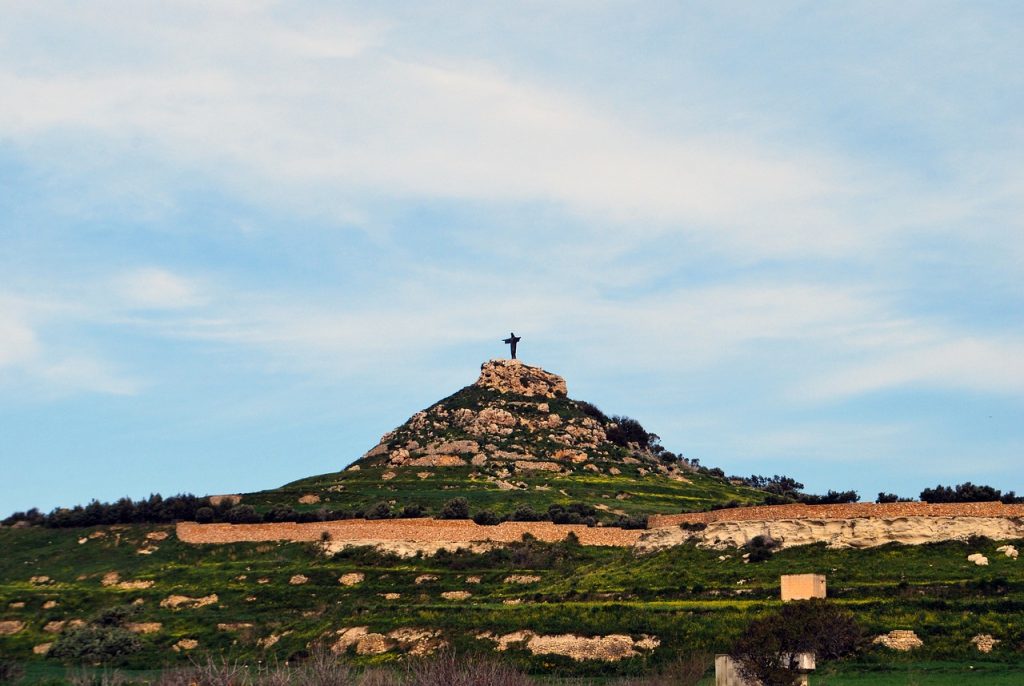
In this passage, we are confronted with the stark reality of Jesus’ crucifixion—the culmination of His sacrificial mission to atone for the sins of humanity. Yet, amidst the darkness and despair of the cross, there shines a beacon of hope—the promise of redemption and reconciliation through the death and resurrection of Jesus Christ. As we reflect on this pivotal moment in salvation history, may we be humbled by the depth of God’s love and inspired to live lives worthy of the sacrifice made on our behalf.
The Death of Jesus
In John 19:28-37, we witness the final moments of Jesus’ earthly life as He hangs upon the cross. Despite the excruciating pain and suffering, Jesus remains steadfast in His mission, fulfilling the prophecies spoken of Him centuries earlier.
As Jesus hangs on the cross, He utters the poignant words, “I thirst.” This simple cry reveals the full extent of His humanity, as He experiences the physical agony and dehydration of crucifixion. Yet, it also serves as a symbolic reminder of the spiritual thirst of humanity—a thirst that can only be quenched by the living water that Jesus offers.
In response to His cry, a sponge soaked in sour wine is offered to Jesus, fulfilling yet another prophecy. This act of compassion, though seemingly small, underscores the fulfillment of Scripture and the divine orchestration of Jesus’ crucifixion.
As the soldiers carry out their gruesome task of crucifixion, they unwittingly fulfill another prophecy by refraining from breaking Jesus’ legs, instead piercing His side with a spear. This act of piercing fulfills the prophecy that not a bone of Jesus would be broken, highlighting the meticulous fulfillment of Scripture in every detail of Jesus’ death.
John, the eyewitness to these events, bears solemn testimony to the truth of what he has seen, emphasizing the significance of Jesus’ death and its fulfillment of Scripture. In Jesus’ crucifixion, we see the ultimate demonstration of God’s love and grace, as He willingly lays down His life for the redemption of humanity.
As we reflect on John 19:28-37, may we be reminded of the depth of Jesus’ love and sacrifice, and may we respond with gratitude and worship for the gift of salvation that He has secured for us through His death on the cross.
In Mark 15:33-41, we are transported to the scene of Jesus’ crucifixion, where darkness descends upon the land from noon until three in the afternoon. This supernatural darkness serves as a powerful symbol of the cosmic significance of Jesus’ death—the moment when the sin of the world is being atoned for on the cross.
As Jesus hangs upon the cross, He cries out in a loud voice, quoting from Psalm 22:1, “My God, my God, why have you forsaken me?” These words echo the profound sense of abandonment and isolation that Jesus experiences as He bears the weight of humanity’s sin. Despite His anguish, Jesus remains faithful to the Father’s will, even unto death.
As bystanders observe these events, some mock Jesus and challenge Him to save Himself if He truly is the Messiah. Others, however, stand by in awe and reverence, recognizing the solemnity and significance of what is unfolding before them. Among them is the centurion overseeing the crucifixion, who, upon witnessing Jesus’ final moments and the manner of His death, declares, “Surely this man was the Son of God.”
This declaration of faith from the centurion stands in stark contrast to the darkness and despair that pervades the scene. It serves as a testament to the power and truth of Jesus’ identity as the Son of God, even in the midst of His apparent defeat and death.
As we reflect on Mark 15:33-41, may we be reminded of the profound significance of Jesus’ sacrifice on the cross. May we stand in awe and reverence before the Son of God, who willingly laid down His life for our salvation. And may we, like the centurion, confess Jesus as Lord and Savior, recognizing Him as the one who has conquered sin and death and brought us into the light of His eternal kingdom.
In Luke 23:46, we witness one of the most poignant moments in Jesus’ crucifixion—the moment just before His death when He cries out with a loud voice, “Father, into your hands I commit my spirit.” These words encapsulate the profound trust and surrender that Jesus demonstrates as He yields His life into the hands of His heavenly Father.
Despite the excruciating pain and suffering He has endured, Jesus’ final words reveal His unwavering faith and confidence in the Father’s love and faithfulness. In this moment of utter vulnerability and abandonment, Jesus finds solace and security in the embrace of His Father’s loving arms.
By committing His spirit into the hands of the Father, Jesus not only acknowledges His impending death but also entrusts His entire being—His soul, His essence, His very life—into the care of the One who created Him and sustains Him. It is an act of radical trust and submission, affirming Jesus’ unshakeable bond with the Father and His obedience to the divine plan of redemption.
As we reflect on Luke 23:46, we are invited to ponder the depth of Jesus’ surrender and the profound significance of His sacrifice on the cross. May His example inspire us to entrust our lives into the hands of our heavenly Father, knowing that He is faithful and that His love endures forever. And may we, like Jesus, find peace and rest in the assurance of His unfailing love, even in the midst of life’s trials and tribulations.

The Burial of Jesus
In Matthew 27:57-59, we encounter Joseph of Arimathea, a wealthy and respected member of the Jewish council, who boldly approaches Pontius Pilate to request the body of Jesus. Despite the risk to his reputation and safety, Joseph’s actions demonstrate his deep reverence and devotion to Jesus, as well as his desire to honor Him in death.
Pilate grants Joseph’s request, and Joseph, along with Nicodemus, another member of the Jewish council, takes Jesus’ body down from the cross. They lovingly wrap His body in linen cloths and lay Him in a new tomb that Joseph had prepared for himself. This act of burial fulfills the prophetic Scriptures and underscores the dignity and respect with which Jesus’ body is treated, even in death.
In their actions, Joseph and Nicodemus exemplify the courage and compassion of true disciples, willing to risk everything to honor their Lord and Savior. Their selfless devotion stands in stark contrast to the betrayal and abandonment of Jesus by His own disciples, reminding us of the power of genuine faith and love in the face of adversity.
As we reflect on Matthew 27:57-59, may we be inspired by the example of Joseph of Arimathea and Nicodemus to boldly stand up for our faith and to honor Jesus with our lives. May we, like them, demonstrate our love and devotion to Jesus in tangible ways, even in the midst of opposition and persecution. And may we never forget the significance of Jesus’ sacrificial death and the hope that His resurrection brings to all who believe.
Matthew 27 60 – 61: “and placed it in his own new tomb that he had cut out of the rock. He rolled a big stone in front of the entrance to the tomb and went away. Mary Magdalene and the other Mary were sitting there opposite the tomb.”

Conclusion
As we conclude our reflection on Good Friday, we are drawn to contemplate the profound significance of this solemn day in the Christian faith. Through the passages of Isaiah 53:1-5, Mark 15:33, Luke 23:46, Matthew 27:57-59, and John 19:40-41, we have encountered the depth of Jesus’ sacrifice and the magnitude of His love for humanity.
On Good Friday, we are reminded of the extent to which Jesus willingly suffered and died for our sins, fulfilling the prophecies of the suffering Servant and enduring the darkness of sin and separation from God. His final words on the cross, His burial by Joseph of Arimathea and Nicodemus, and the darkness that shrouded the land all point to the solemnity and finality of His sacrifice.
Yet, even in the midst of darkness and death, we find hope and anticipation. Good Friday is not the end of the story but rather the prelude to the triumph of Easter Sunday. As we await the dawn of resurrection, let us meditate on the depth of Jesus’ love and the significance of His sacrifice, drawing near to Him in gratitude and reverence.
May the solemnity of Good Friday deepen our appreciation for the gift of salvation and renew our commitment to following Jesus faithfully. And may we never forget the profound truth that through His death on the cross, Jesus has brought us redemption, reconciliation, and eternal life.
As we journey through Good Friday and await the joy of Easter, may we cling to the hope of Christ’s resurrection and the promise of new life found in Him. Amen.
Let’s Pray:
Heavenly Father,
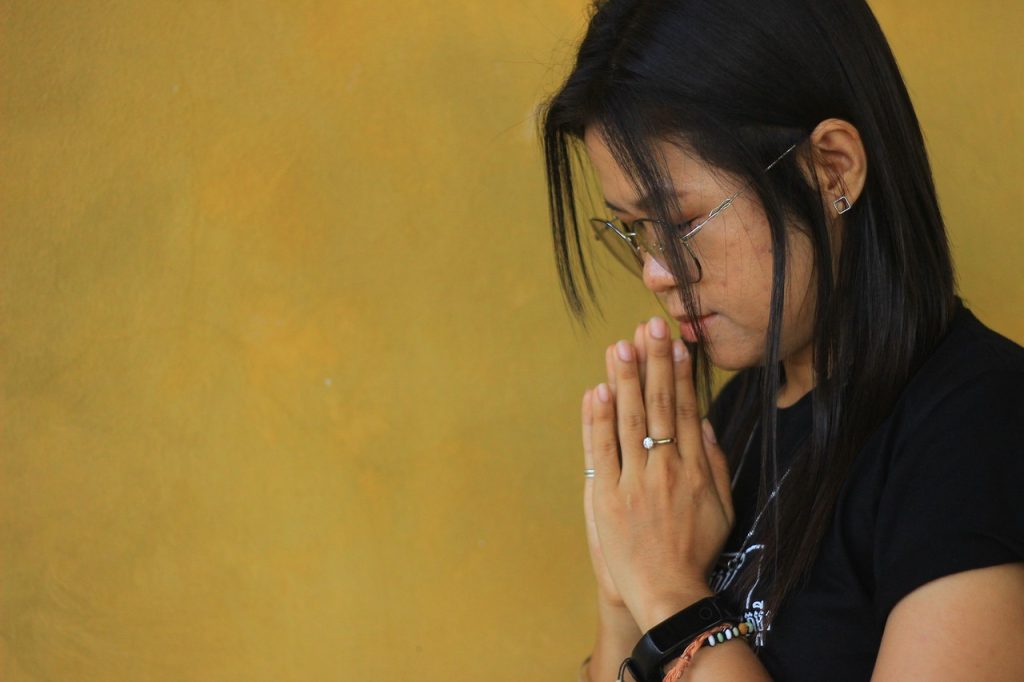
As we come to the end of our reflection on Good Friday, we bow our heads in solemn reverence before You. On this sacred day, we are reminded of the immense sacrifice Your Son, Jesus Christ, made for us on the cross. We are humbled by the depth of His love and the magnitude of His suffering.
Lord, in the midst of the solemnity of this day, we find solace in Your presence. We thank You for the gift of salvation and the hope we have in Christ’s sacrifice. As we contemplate the darkness that enveloped the land and the weight of sin borne by Jesus, we are reminded of the enormity of Your grace and mercy.
In this moment of reflection, we lift our hearts to You in prayer. We ask for Your strength to endure the trials and tribulations of life, knowing that You are with us in every moment. Help us to walk in the footsteps of Your Son, Jesus, embracing His example of love, humility, and sacrifice.
As we await the dawn of Easter Sunday, may the solemnity of Good Friday deepen our faith and draw us closer to You. May we never forget the price paid for our redemption and the victory won on the cross.
In Jesus’ name, we pray. Amen.