Maundy Thursday
Introduction
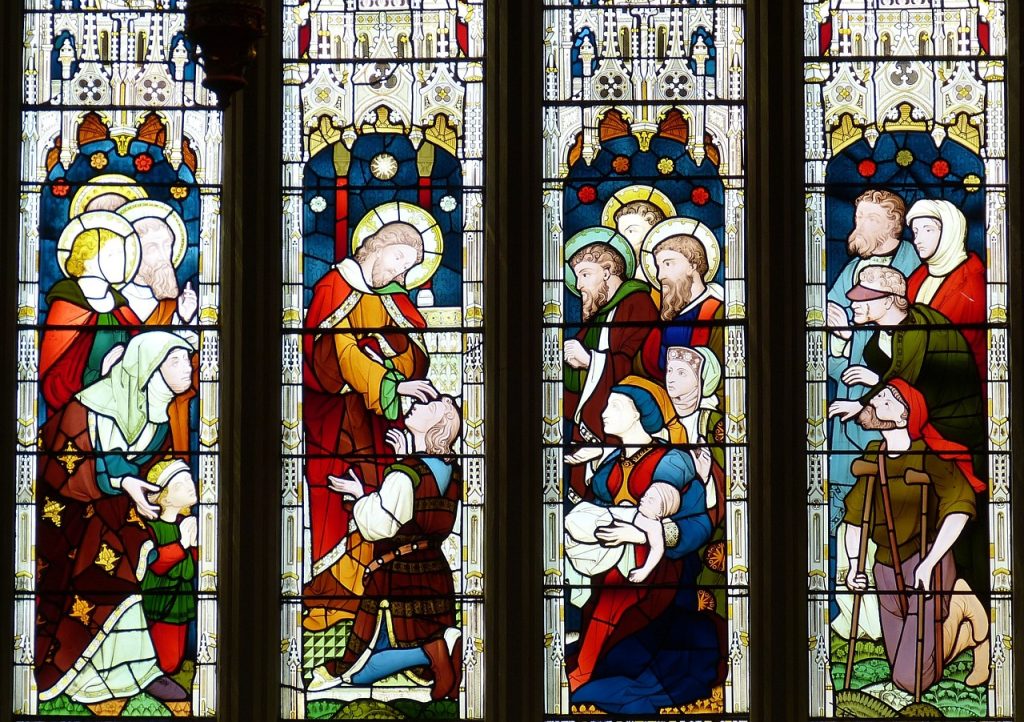
As we approach Maundy Thursday, we enter into a sacred time of reflection and remembrance within the Christian tradition. This pivotal day in the Holy Week narrative holds profound significance, marking the occasion of Jesus’ Last Supper with His disciples before His crucifixion. On this solemn evening, Jesus imparted lasting lessons of servanthood and love, setting the stage for the completion of His earthly ministry.
Preparing the Upper Room
Matthew 26: 17 – 19 – “On the first day of the Festival of Unleavened Bread, the disciples came to Jesus and asked, “Where do you want us to make preparations for you to eat the Passover?” He replied, “Go into the city to a certain man and tell him, ‘The Teacher says: My appointed time is near. I am going to celebrate the Passover with my disciples at your house.’” So the disciples did as Jesus had directed them and prepared the Passover.”
In this passage, we find Jesus instructing His disciples to prepare for the Passover meal. This is a significant event in Jewish tradition commemorating the liberation of the Israelites from slavery in Egypt and the sparing of the firstborn Isaraelite children. It sets the stage for the Last Supper, a pivotal moment in the events leading up to Jesus’ crucifixion and resurrection.
The Last Supper
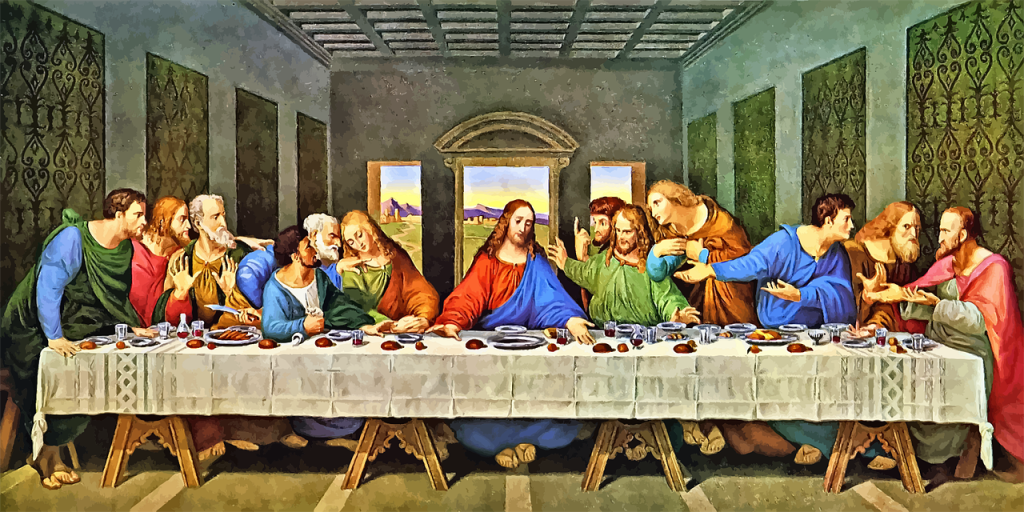
Matthew 26:26 – 29 – While they were eating, Jesus took bread, and when he had given thanks, he broke it and gave it to his disciples, saying, “Take and eat; this is my body.” Then he took a cup, and when he had given thanks, he gave it to them, saying, “Drink from it, all of you. This is my blood of the covenant, which is poured out for many for the forgiveness of sins. I tell you, I will not drink from this fruit of the vine from now on until that day when I drink it new with you in my Father’s kingdom.”
In this passage, we witness the moments of the Last Supper, where Jesus institutes the sacrament of communion. As Jesus and His disciples gather together for their final meal before His crucifixion, He takes bread, blesses it, and gives it to His disciples, saying, “Take, eat; this is my body.” Then, He takes the cup, gives thanks, and offers it to them, saying, “Drink from it, all of you; for this is my blood of the covenant, which is poured out for many for the forgiveness of sins.” With these simple yet profound actions, Jesus establishes the practice of communion, instructing His followers to remember His sacrifice and the new covenant it brings whenever they partake of the bread and wine.
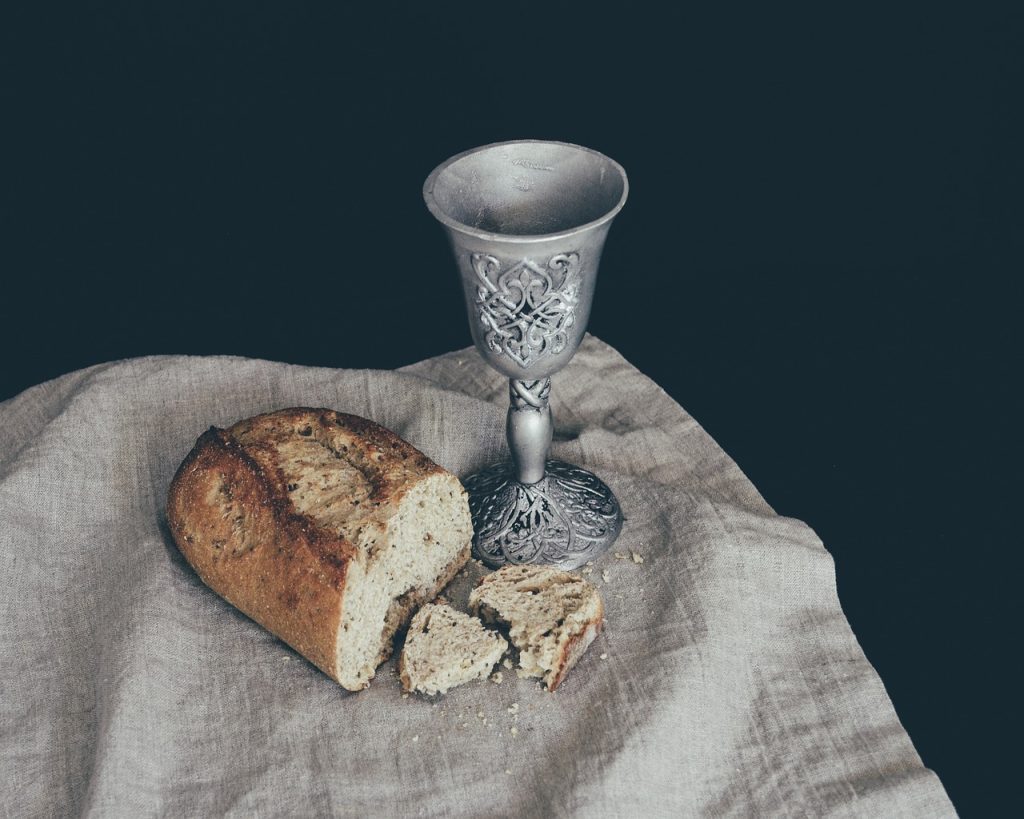
From this passage, we learn several important lessons. Firstly, we are reminded of the sacrificial nature of Jesus’ death and the profound significance of His atoning sacrifice for the forgiveness of sins. The bread symbolizes His broken body, and the wine symbolizes His shed blood, both of which are offered as a covenant of redemption for humanity. Secondly, we learn the importance of remembrance and gratitude in our Christian faith. Communion serves as a tangible reminder of Jesus’ love and sacrifice, inviting us to reflect on His death and resurrection and to give thanks for the salvation and eternal life He offers us. Lastly, we learn about the unity and fellowship that communion fosters among believers. As we partake of the bread and wine together, we are reminded of our shared identity as members of the body of Christ and are called to love and support one another in Christian community.
Jesus washes the apostles’ feet
In John 13:12-16, we witness a powerful demonstration of servant leadership as Jesus humbly washes the feet of His disciples. In a striking display of humility and love, Jesus sets aside His divine glory and assumes the role of a servant, tenderly cleansing the feet of His followers. When Peter protests, Jesus responds, “Now that I, your Lord and Teacher, have washed your feet, you also should wash one another’s feet. I have set you an example that you should do as I have done for you. Very truly I tell you, no servant is greater than his master, nor is a messenger greater than the one who sent him.” Through this act of servanthood, Jesus reminds us of the importance of humility, love, and mutual service among His people.
As we reflect on this passage, we are invited to contemplate the profound implications of Jesus’ words and actions on Maundy Thursday. In the midst of betrayal and impending suffering, Jesus imparts timeless lessons of servanthood, challenging His followers to model His love and mission in the world.

Jesus’ Prayer in Gethsemane
In Matthew 26:39, we witness a poignant moment in Jesus’ journey to the cross as He prays in the garden of Gethsemane. Faced with the weight of humanity’s sin and the impending agony of the crucifixion, Jesus pours out His heart to the Father, saying, “My Father, if it be possible, let this cup pass from me; nevertheless, not as I will, but as you will.” This prayer encapsulates the profound tension between Jesus’ humanity and divinity, as He confronts the full reality of His impending suffering and death. Despite His agony, Jesus ultimately submits to the will of His Father, demonstrating profound obedience and trust.
This prayer encapsulates the depth of Jesus’ humanity and His submission to the Father’s will. Despite the anguish and dread He feels, Jesus surrenders Himself completely to God’s plan of redemption, demonstrating His unwavering obedience and love.
From this passage, we glean several significant lessons. Firstly, we witness Jesus’ unwavering commitment to fulfilling the Father’s plan, even in the face of unimaginable suffering. His prayer beautifully captures the essence of surrender, as He willingly lets go of His own desires to honor God’s sovereign will. Secondly, we see Jesus’ profound example of prayer in times of trial. He doesn’t shy away from expressing His emotions or fears to God, but He ultimately aligns His will with the Father’s, trusting in God’s wisdom and goodness. This passage serves as a powerful reminder of the importance of surrendering our own will to God’s and seeking His guidance and strength through prayer, especially in the midst of life’s greatest challenges.
As we reflect on Jesus’ prayer in Gethsemane, we are reminded of the profound sacrifice He made for our sake. His willingness to endure suffering and death for the sake of humanity’s salvation serves as the ultimate expression of love and selflessness. As we continue to journey through Holy Week, may we draw strength and inspiration from Jesus’ example of surrender and obedience, trusting in God’s sovereign plan for our lives.
Jesus is Arrested
In Matthew 26:47-56, we witness the betrayal of Jesus by Judas Iscariot and the subsequent arrest of Jesus in the Garden of Gethsemane. Judas, one of Jesus’ disciples, arrives with a crowd armed with swords and clubs, leading them to Jesus and identifying Him with a kiss—a signal of betrayal. In response, Jesus questions Judas’ actions, asking why he has come to betray the Son of Man with a kiss. Despite the disciples’ initial resistance, Jesus willingly surrenders Himself to the authorities, fulfilling the prophecy that He would be handed over to sinners.
This passage offers several lessons for us to consider. Firstly, it highlights the reality of betrayal, even among those closest to us. Judas’ betrayal serves as a reminder that even those who profess to follow Jesus may still betray Him in moments of weakness or temptation. Secondly, it demonstrates Jesus’ unwavering commitment to His mission and His willingness to submit to the Father’s will, even in the face of betrayal and arrest.
Jesus’ surrender in the Garden of Gethsemane foreshadows His ultimate sacrifice on the cross, where He willingly lays down His life for the redemption of humanity. Finally, it underscores the importance of vigilance and prayer in times of trial. Despite the disciples’ failure to remain awake and watchful, Jesus encourages them to pray, recognizing the spiritual battle at hand. As followers of Christ, we are called to remain vigilant in our faith, staying alert to the schemes of the enemy and seeking strength and guidance through prayer.
Conclusion
As we conclude our reflection on the profound events of Maundy Thursday, we are reminded of the depth of Jesus’ love and the significance of His sacrificial mission. From the solemnity of the Last Supper, where Jesus instituted the sacrament of communion, to the humble act of foot washing, where He demonstrated the servant-hearted nature of His ministry, Maundy Thursday is a day filled with profound symbolism and spiritual significance. These events serve as intense reminders of Jesus’ unwavering commitment to His mission, His selfless love for humanity, and His ultimate sacrifice on the cross. As we reflect on these moments, may we be inspired to emulate Jesus’ example of love, humility, and service in our own lives.
As we journey through Holy Week, may we draw near to Jesus, the author and perfecter of our faith, and contemplate the depth of His love displayed on the cross. And may we never forget the immeasurable price Jesus paid to reconcile us to Himself, as we await with hope the glorious resurrection that awaits on Easter Sunday.

Let’s Pray:
Heavenly Father,
As we conclude our reflection on the events of Maundy Thursday and the profound sacrifice of Your Son, Jesus Christ, we come before You with hearts full of gratitude. Thank You for the example of servant leadership and selfless love demonstrated by Jesus as He washed His disciples’ feet. Help us understand His sacrifice and respond with gratitude, obedience, and service. May we follow Jesus faithfully, demonstrating humility, grace, and love. Prepare our hearts for Easter, transforming us more and more into the likeness of Your Son, Jesus Christ, our Savior and Lord.
In His precious name, we pray.
Amen.