
Holy Saturday: Embracing the Silence and Anticipating Resurrection
Matthew: 27: 62-66 states, “The next day, the one after Preparation Day, the chief priests and the Pharisees went to Pilate. “Sir,” they said, “we remember that while he was still alive that deceiver said, ‘After three days I will rise again.’ So give the order for the tomb to be made secure until the third day. Otherwise, his disciples may come and steal the body and tell the people that he has been raised from the dead. This last deception will be worse than the first.”
“Take a guard,” Pilate answered. “Go, make the tomb as secure as you know how.” So they went and made the tomb secure by putting a seal on the stone and posting the guard.
The Guard at the Tomb
In Matthew 27:62-66, we find the religious leaders approaching Pilate after Jesus’ crucifixion, expressing concern about the security of the tomb. They remind Pilate of Jesus’ claim that He would rise again after three day. Therefore, they request that he order the tomb to be made secure until the third day to prevent any tampering with the body. Pilate grants their request, and guards are stationed at the tomb to ensure its security.
This passage highlights the fear and uncertainty that gripped the religious leaders in the aftermath of Jesus’ death. Despite their efforts to suppress His message and silence His followers, they cannot shake the nagging possibility that Jesus might fulfill His promise of resurrection. In their attempt to thwart any potential resurrection, they inadvertently provide further evidence of Jesus’ power and authority.
As we reflect on Matthew 27:62-66, we are reminded that it is impossible for humananity to stop God’s plans. Even in the face of opposition and doubt, God is still in control and His plans always work out This passage foreshadows the glorious victory of Easter morning, when the tomb is found empty and Jesus is risen from the dead, conquering sin and death once and for all.
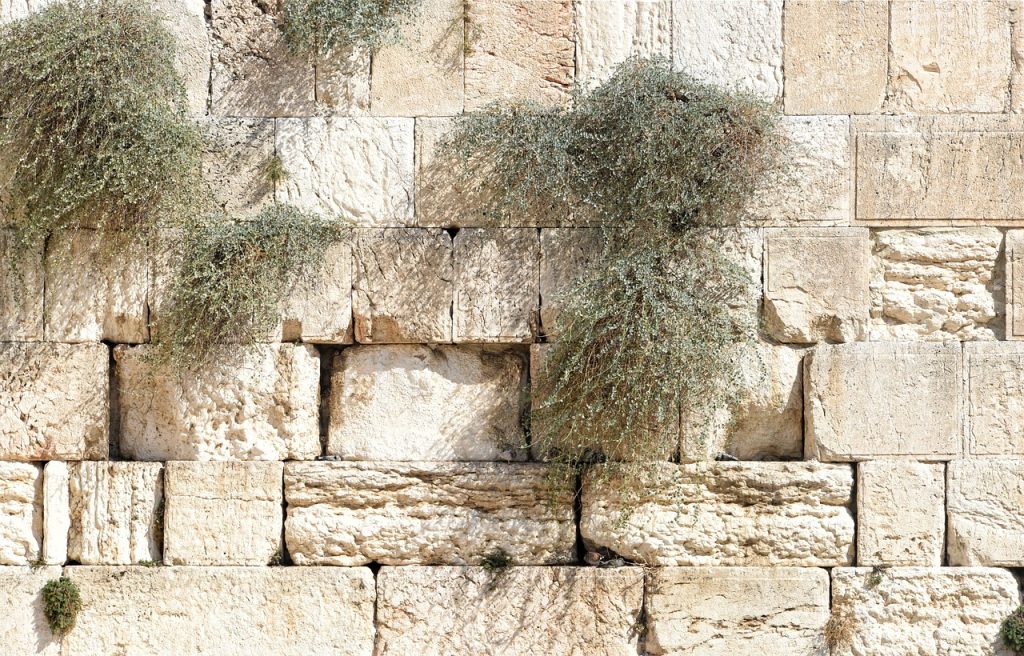
The Quiet Space
Luke 23:56b – “But they rested on the Sabbath in obedience to the commandment.”
As the world pauses in the wake of Good Friday’s solemnity and anticipates the joy of Easter Sunday, we find ourselves in the quiet and contemplative space of Holy Saturday. This sacred day holds a unique significance in the Christian calendar, marking the period between Jesus’ crucifixion and His resurrection. It is a time of waiting, reflection, and anticipation, as we reflect on the mystery of Jesus’ journey into death and eagerly await the hope of His return to life.
In the midst of this solemn silence, we turn our hearts to the timeless truths of Scripture, finding comfort and inspiration in the words of the apostle Paul in Romans 6:3-11. This passage, rich in theological depth and spiritual insight, offers profound teachings on the significance of baptism, death, and resurrection in the life of the believer. As we journey through Holy Saturday, let us consider the wisdom of Paul’s words and contemplate their relevance to our own faith journey.
Romans 6:3-11
Romans 6:3-11 states, “Or don’t you know that all of us who were baptized into Christ Jesus were baptized into his death? We were therefore buried with him through baptism into death in order that, just as Christ was raised from the dead through the glory of the Father, we too may live a new life.
For if we have been united with him in a death like his, we will certainly also be united with him in a resurrection like his. For we know that our old self was crucified with him so that the body ruled by sin might be done away with, that we should no longer be slaves to sin— because anyone who has died has been set free from sin.
Now if we died with Christ, we believe that we will also live with him. For we know that since Christ was raised from the dead, he cannot die again; death no longer has mastery over him. The death he died, he died to sin once for all; but the life he lives, he lives to God.
In the same way, count yourselves dead to sin but alive to God in Christ Jesus.
Understanding the Passage: Romans 6:3-11
In Romans 6:3-11, Paul articulates the transformative power of baptism and its symbolic representation of union with Christ in His death and resurrection. He begins by posing a rhetorical question: “Do you not know that all of us who have been baptized into Christ Jesus were baptized into his death?” (Romans 6:3). Here, Paul emphasizes the spiritual reality of believers’ identification with Jesus in His death, burial, and resurrection through the sacrament of baptism.
Paul goes on to explain that baptism signifies not only the death of the old self but also the resurrection to new life in Christ. He writes, “We were buried therefore with him by baptism into death, in order that, just as Christ was raised from the dead by the glory of the Father, we too might walk in newness of life” (Romans 6:4). This imagery of burial and resurrection underscores the transformative nature of the Christian life, as believers are united with Christ in His victory over sin and death.
Moreover, Paul emphasizes the ethical implications of this union with Christ in His death and resurrection. He exncourages believers to reckon themselves dead to sin but alive to God in Christ Jesus (Romans 6:11), emphasizing the necessity of living in accordance with their new identity in Christ. Through the indwelling presence of the Holy Spirit, believers are empowered to resist sin. They are able to live victoriously in the newness of life that Christ has secured for them through His death and resurrection.
As we reflect on Romans 6:3-11, let us contemplate the profound truths it contains and consider how they inform our understanding of baptism, our union with Christ, and the transformative power of the gospel in our lives.

Embracing the Mystery of the Tomb
Holy Saturday invites us to dwell in the solemn mystery of the tomb, where Jesus’ body lay after His crucifixion. The tomb represents a place of darkness, silence, and waiting—a tangible reminder of the profound mystery of Christ’s descent into death. As we contemplate the silence of Holy Saturday, we are confronted with the tension between grief and hope, despair and anticipation.
In the biblical narrative, the tomb serves as a focal point for the disciples’ grief and confusion following Jesus’ death. After witnessing the horror of the crucifixion, they retreat into silenc. The disciples are grappling with the apparent defeat of their Messiah and the shattered dreams of His kingdom. The tomb becomes a symbol of their despair, a stark reminder of the finality of death and the seeming absence of God’s presence.
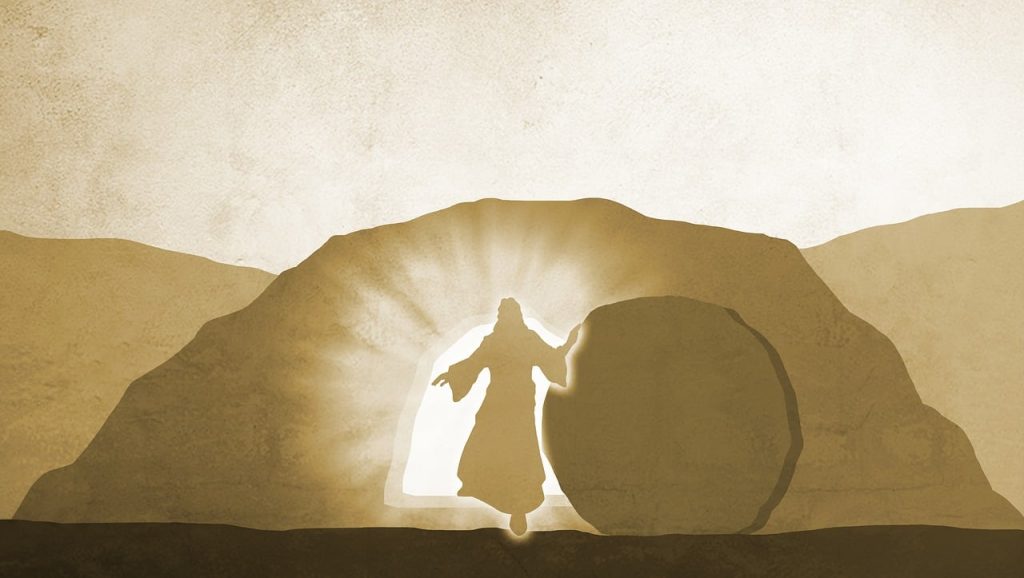
Yet, even in the darkness of the tomb, there is a glimmer of hope—a whisper of anticipation that transcends despair. As we contemplate the mystery of Holy Saturday, we are reminded that God’s ways are not our ways, and His purposes are often shrouded in mystery. The silence of the tomb is pregnant with the promise of resurrection, as we await the dawn of Easter Sunday and the triumph of life over death.
In embracing the mystery of the tomb, we are invited to trust in God’s faithfulness and to surrender to His sovereign plan, even when it seems incomprehensible. Holy Saturday challenges us to confront our own fears and doubts, and to embrace the paradox of faith: that in the midst of darkness, we can still cling to the hope of resurrection.
As we journey through Holy Saturday, may we allow ourselves to dwell in the silence of the tomb, embracing the mystery of Christ’s descent into death. May we find comfort in the assurance that even in the darkest moments of our lives, God is at work, bringing about redemption and new life. And may we eagerly anticipate the joy of Easter Sunday, when the silence will be shattered by the triumphant cry: “He is risen!”
Anticipating Resurrection: Hope in the Midst of Silence
Despite the solemnity and silence of Holy Saturday, there is a profound sense of anticipation and hope that is found on this day. As we wait in quiet expectation, we are reminded of the promise of resurrection and the hope that springs eternal from the empty tomb.
The silence of Holy Saturday serves as a reminder of the uncertainty of this day—the tension between death and life, despair and hope. It is a time of waiting, of holding our breath in anticipation of the miraculous unfolding of God’s redemptive plan.
Even in the silence, we are not without hope. We know that beyond the darkness of the tomb lies the glorious promise of Easter Sunday—the day of resurrection, when death is conquered and new life bursts forth in all its splendor. As we contemplate the significance of Holy Saturday, we are reminded of the transformative power of Christ’s resurrection and the hope it brings to all who believe.
In the midst of life’s trials and uncertainties, Holy Saturday invites us to hold fast to the hope of resurrection—to trust in the faithfulness of God and to cling to the promise of new life in Christ. It is a day of quiet anticipation, a time to reflect on the profound mystery of redemption. Holy Saturday is also a day to prepare our hearts to receive the joyous news of Easter morning.
As we await the dawn of resurrection, let us find comfort in the assurance that God is at work even in the silence. May we hold fast to the hope that anchors our souls, knowing that the darkness of Holy Saturday will soon give way to the glorious light of Easter—the light of Christ’s resurrection shining brightly for all eternity.
Practical ways women can embrace the significance of Holy Saturday in their lives:
- Reflect on the Silence: Set aside time for quiet reflection and meditation on the significance of Holy Saturday. Find a peaceful space where you can contemplate the mystery of Christ’s descent into death and the silence of the tomb. Use this time to journal your thoughts, prayers, and reflections on the meaning of waiting in faith.
- Read Scripture: Spend time reading and meditating on passages of Scripture that relate to Holy Saturday, such as the accounts of Jesus’ burial in the Gospels or Old Testament prophecies of His resurrection. Allow God’s Word to speak to your heart and deepen your appreciation for the significance of this day in the Christian faith.
- Practice Sabbath Rest: Use Holy Saturday as an opportunity to practice Sabbath rest and renewal. Set aside time for rest, relaxation, and rejuvenation, both physically and spiritually. Engage in activities that nourish your soul, such as spending time in nature, enjoying meaningful conversations with loved ones, or engaging in creative pursuits.
By embracing these practical ways to engage with the significance of Holy Saturday, we can deepen our understanding of this sacred day and draw closer to the heart of God as we await the joyous celebration of Easter Sunday.

Conclusion:
As we conclude our reflection on Holy Saturday, we are reminded of the profound significance of this sacred day in the Christian calendar. Holy Saturday invites us to enter into the silence and mystery of the tomb, to wait in quiet anticipation for the dawn of resurrection. It is a day of solemn reflection, of contemplation on the meaning of Christ’s descent into death and the promise of new life that awaits.
In embracing the significance of Holy Saturday, we are invited to journey deeper into our faith, to reflect on the transformative power of Christ’s death and resurrection. it is a great day to engage in activities that nourish our souls. Through quiet reflection, reading Scripture and prayer, we can embrace the mystery of Holy Saturday in our lives.
As we await the dawn of resurrection, may we hold fast to the hope that anchors our souls, knowing that the silence of Holy Saturday will soon give way to the glorious light of Easter—the light of Christ’s resurrection shining brightly for all eternity. May the significance of Holy Saturday inspire us to live lives of faith, hope, and love, as we await the fulfillment of God’s promises in our lives and in the world. And may we emerge from this day of waiting and anticipation with hearts full of joy and gratitude, ready to proclaim the good news of Christ’s resurrection to all the world.

Let’s Pray
Heavenly Father,
On this Holy Saturday, we come before You with hearts full of gratitude for the profound truths we have encountered and the sacred significance of this day in the Christian calendar. We thank You for the opportunity to reflect on the silence and mystery of the tomb, and to anticipate the joy of resurrection that awaits.
Thank You, Lord, for the gift of Your Son, Jesus Christ, whose death and resurrection bring hope and redemption to all who believe. As we contemplate the significance of Holy Saturday, we are grateful for the opportunity to deepen our understanding of Your love and faithfulness, and to draw closer to the heart of Your Son. May the solemnity of Holy Saturday inspire us to live lives of faith, hope, and love, as we await the fulfillment of Your promises in our lives and in the world.
As we journey through this sacred day, may Your presence be our comfort and strength, and may Your Spirit guide us in all that we do. Help us to embrace the mystery of the tomb with faith and trust, knowing that the silence of Holy Saturday will soon give way to the glorious light of Easter—the light of Christ’s resurrection shining brightly for all eternity.
In Jesus’ name, we pray. Amen.