The Security God Provides
Most of us want to feel secure. We work hard, save money, plan ahead, and try to build stable routines for our families. Those things are wise and often necessary. Yet even the best plans cannot remove every uncertainty from life.
Sometimes security feels strong—until something shifts. A financial change, an unexpected diagnosis, or a difficult season can quickly remind us how fragile earthly stability can be.
The power of God’s mercy in a broken world meets us right in ordinary life and offers security in God. God does not wait for perfect days. Instead, He meets His people in weakness, confusion, and failure.
Four passages highlight this truth in powerful ways: Book of Jeremiah 32:1–3a, 6–15, Book of Psalms 91:1–6, 14–16, First Epistle to Timothy 6:6–19, and Gospel of Luke 16:19–31. Although they come from different moments in biblical history, they all point to the same lesson. Earthly security can disappear quickly, but God’s promises remain steady.
In one passage, a prophet buys land while his city faces invasion. In another, a psalm celebrates God as a shelter and refuge. A New Testament letter warns believers not to place their hope in wealth. Finally, Jesus tells a story that exposes the danger of trusting riches while ignoring God.
Together these passages invite us to ask an important question: Where does our sense of security really come from?
When life feels uncertain, God offers something far stronger than temporary stability. He offers Himself as our refuge, our provider, and our lasting hope.
Trusting God When Circumstances Look Hopeless
Jeremiah Buys a Field During a Siege
The story in Book of Jeremiah 32 begins during one of the darkest moments in Judah’s history. Jerusalem is under siege by the Babylonian army. The city is surrounded, supplies are running low, and defeat seems inevitable. Meanwhile, Jeremiah is imprisoned because he faithfully delivered God’s warning that the city would fall. His trust in the Lord anchors him amid the despair.
From a human perspective, the situation looks completely hopeless.
Normally, buying land would make sense as a long-term investment. However, during an invasion, the decision appears irrational. The land is about to fall into enemy hands, and the nation’s future seems uncertain.
Still, when Hanamel arrives exactly as God said he would, Jeremiah recognizes the moment as confirmation of the Lord’s word during these seasons of suffering.
A Prophetic Investment in God’s Promise
Instead of hesitating, Jeremiah completes the purchase. He weighs out the silver, signs the deed, seals the documents, and places them in a clay jar for safekeeping. Every step is recorded carefully.
This transaction carries deeper meaning than a simple property sale. God explains the purpose in Jeremiah 32:15:
“For this is what the Lord Almighty, the God of Israel, says: ‘Houses, fields and vineyards will again be bought in this land.’”
Even though destruction surrounds the city, God promises restoration. One day the people will return, rebuild their lives, and reclaim their land. Jeremiah’s purchase becomes a visible symbol of hope, affirming the sovereignty of God over the future.
Faith That Looks Beyond Present Circumstances
Jeremiah’s decision teaches a powerful lesson about trust. Faith does not always wait for circumstances to improve before acting. Instead, faith often believes God’s promises while the situation still looks impossible.
Jeremiah does not invest because the future appears secure. He invests because God has spoken. In the same way, life sometimes brings seasons when circumstances feel unstable or uncertain. During those moments, it becomes tempting to place our hope only in what we can see.
However, Jeremiah’s story reminds us that God’s promises remain trustworthy even when our situation feels fragile. Faith allows us to hold onto God’s future while we walk through present difficulties.
God Is the Only Safe Refuge
Living in the Shelter of the Most High
While Jeremiah shows what it looks like to trust God in uncertain circumstances, Book of Psalm 91 reminds us where true safety is found as our refuge and fortress.
Many people search for security in strong defenses, careful planning, or financial stability. These things can provide temporary protection, serving as a hiding place from some troubles. However, they cannot remove every danger or guarantee peace.
Psalm 91 shifts our attention to a deeper source of security much like Psalm 62 affirms God as our refuge and strength. The psalm opens with a powerful image:
“He who dwells in the shelter of the Most High will abide in the shadow of the Almighty.” (Psalm 91:1)
The language of shelter and shadow paints a picture of protection and closeness, portraying God as our rock and my salvation. Instead of describing safety as something we build for ourselves, the psalm describes safety as dwelling near God.
Resting Under God’s Protection
Throughout the passage, the psalmist uses vivid images to describe God’s care. God becomes a refuge, a fortress, and a shield. These words remind readers that protection comes from trusting the Lord rather than relying only on human strength.
The psalm also acknowledges that dangers exist. It mentions fears in the night, arrows that fly during the day, and threats that appear suddenly. Life contains real risks and uncertainties.
Yet the central message remains clear: those who place their trust in God find a refuge that circumstances cannot shake.
Security That Comes from Relationship
Psalm 91 does not promise that believers will never face difficulty. Instead, it emphasizes the relationship between God and those who trust Him.
Later in the psalm, God declares:
“Because he holds fast to me in love, I will deliver him; I will protect him, because he knows my name.” (Psalm 91:14)
Security grows out of knowing God personally and trusting His character. For believers today, this truth brings great comfort. Circumstances may change, and the future may sometimes feel uncertain. However, God remains the same.
When we draw close to Him, we discover that the safest place for our hearts is in the shelter of His presence.
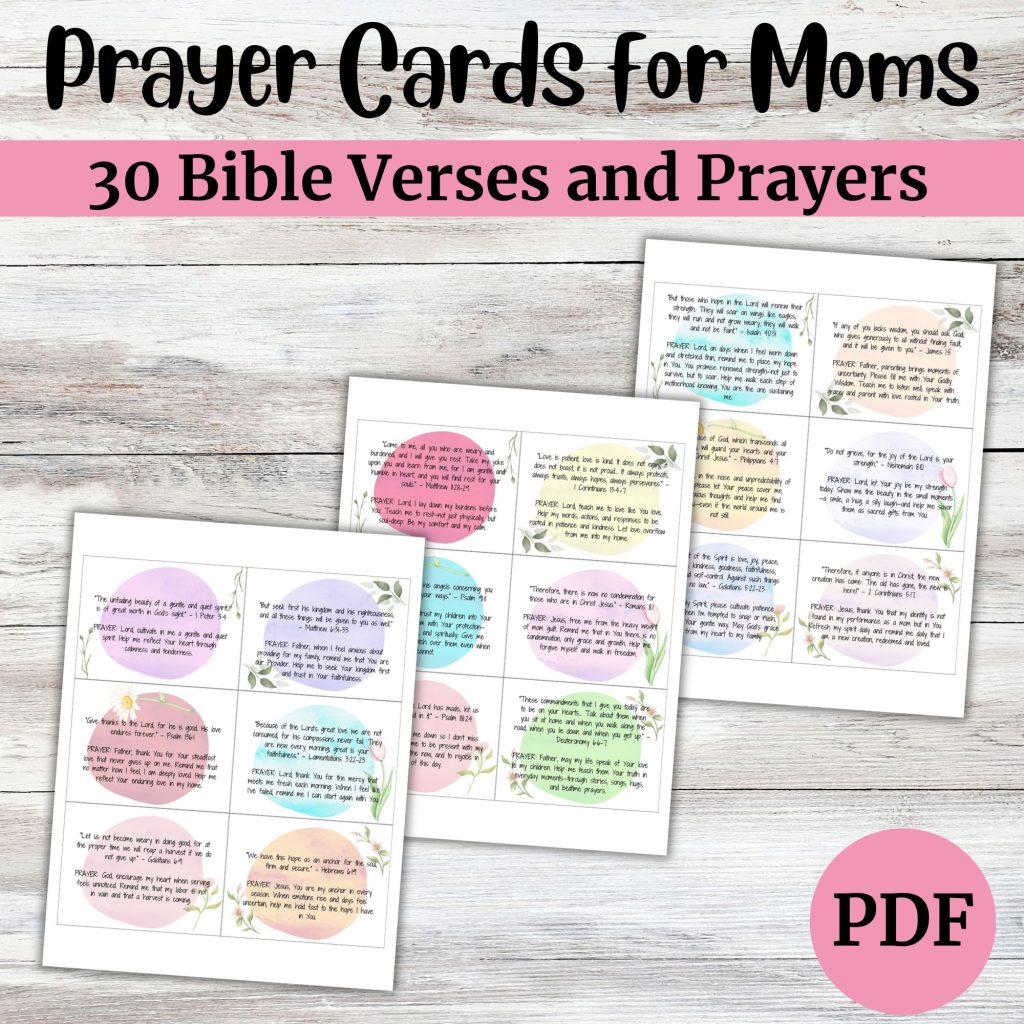
These Prayer Cards for Moms include a Bible verse and a prayer to uplift, encourage, and draw your heart closer to God—right when you need it most.
Whether you’re starting your day with quiet time, encouraging a friend, or tucking truth into your journal, these prayer cards—with Scripture on each one—will gently remind you of God’s presence, strength, and unending love in every season of motherhood.
The Danger of Trusting Wealth
Paul’s Warning About Money
While Psalm 91 reminds us that God is our refuge, the apostle Paul warns about something that often competes for our trust. In Timothy 6:6–19, Paul addresses the powerful pull of money and possessions.
Wealth can create a sense of stability. Savings accounts, investments, and possessions often make people feel protected from life’s uncertainties. Yet Paul reminds believers that money cannot provide the kind of security the human heart truly needs.
He begins with an important principle:
“Godliness with contentment is great gain.” (I Timothy 6:6)
Instead of measuring success by how much someone owns, Paul points to a deeper form of wealth. A life shaped by faith, gratitude, and contentment rooted in our Identity in Christ carries far greater value than any material gain.
The Uncertainty of Riches
Paul also speaks honestly about the dangers of pursuing wealth as the ultimate goal. The desire for money can easily lead people away from God. When possessions become the center of life, spiritual priorities often fade into the background.
Because of this, Paul offers a strong warning, encouraging Biblical assurance for believers instead of hoping in wealth::
“Command those who are rich in this present world not to be arrogant nor to put their hope in wealth, which is so uncertain.” (I Timothy 6:17)
Money may appear stable, but circumstances can change quickly. Markets shift, economies struggle, and possessions fade over time. What feels secure today may disappear tomorrow. Paul encourages believers to place their hope in God, our Faithful provider, who is far more reliable.
Investing in Eternal Treasure
Instead of trusting wealth, Paul instructs believers to trust God and use their resources generously. He encourages them to be rich in good deeds, willing to share, and eager to help others. When people live this way, their wealth becomes a tool for blessing rather than a source of false security.
Paul explains the eternal impact of this approach:
“In this way they will lay up treasure for themselves as a firm foundation for the coming age.” (I Timothy 6:19)
This teaching shifts our perspective. Earthly wealth may offer temporary comfort, but generosity and faith build treasures that last far beyond this life.
In the end, Paul reminds us that true security does not come from what we store up for ourselves. It comes from trusting God and investing in what carries eternal value.
A Powerful Warning from Jesus
The Rich Man and Lazarus
Jesus brings this theme into sharp focus through a striking story recorded in Luke 16:19–31. The parable of the rich man and Lazarus reveals what can happen when someone places their confidence in wealth while ignoring God.
The story introduces two very different men. One man lives in luxury. He wears fine clothing and enjoys extravagant meals every day. His life appears comfortable and secure. From the outside, everything suggests success and stability.
The other man, Lazarus, lives in extreme poverty. He lies at the rich man’s gate covered with sores, longing for scraps from the table. Even the dogs come to lick his wounds. The contrast between the two lives could not be clearer.
When Earthly Comfort Hides Spiritual Danger
Although the rich man seems secure, Jesus reveals a deeper problem. The man’s wealth has blinded him to the suffering right outside his door. He walks past Lazarus every day without offering compassion or help.
Eventually, both men die, and the fear of death becomes starkly real as their situations reverse completely. Lazarus is carried to Abraham’s side, a place of comfort and peace. The rich man, however, who enjoyed physical abundance yet lacked the spiritual nourishment of the Bread of Life, finds himself in torment. The security he once trusted disappears instantly.
Jesus uses this dramatic reversal to reveal an important truth: earthly wealth cannot protect a person from eternal realities.
Listening to God Before It Is Too Late
The rich man pleads for relief and even asks that Lazarus warn his family. Yet Abraham explains that the opportunity to respond to God already existed. The Scriptures had spoken clearly, but the rich man chose not to listen.
This ending highlights the heart of Jesus’ message. The problem was not simply that the man possessed wealth. Instead, the problem was that his wealth replaced compassion, humility, and obedience to God.
Jesus calls His listeners to examine their own hearts. True security does not come from comfort or possessions. Instead, it comes from listening to God’s Word and allowing it to shape how we live.
The story of the rich man and Lazarus reminds us that our choices today reveal where our trust truly lies.
10-Day Devotional: Embracing God’s Hope in Hard Times: A printable devotional for busy Christian women seeking hope, healing, and transformation through God’s Word.
With daily scriptures, prayers, and journaling prompts, you’ll renew your mind and refocus on Christ—no matter what season you’re in.
Grab your copy of”Embracing God’s hope in Hard Times” and start experiencing the peace and clarity you’ve been craving.

Living with an Eternal Perspective and Confidence in God
After reading these passages, an important question naturally arises: How should we live when our security rests in God rather than in earthly things?
Scripture does not call us to ignore our responsibilities or abandon wise planning. Instead, it invites us to view our lives through an eternal perspective. When we remember that God is our true refuge, our priorities begin to shift.
Rather than chasing temporary security, we begin to invest in what lasts.
Remember That Circumstances Do Not Define God’s Faithfulness
Life often moves through seasons of abundance and seasons of uncertainty. During difficult moments, it can feel as though stability has disappeared. Yet God’s unwavering faithfulness never changes.
Jeremiah trusted God’s promise while Jerusalem stood on the edge of destruction. Likewise, believers today can trust that God remains faithful even when circumstances feel fragile. Holding onto this truth helps steady our hearts when life feels unpredictable.
Hold Earthly Possessions Loosely
Possessions can be useful tools, but they were never meant to carry the weight of our hope. Paul reminds believers in I Timothy 6 that wealth is uncertain and temporary.
Trust in the Lord by holding possessions loosely, and we become free to use them wisely. Generosity grows naturally when our identity and security no longer depend on what we own.
Instead of storing up treasures that fade, we begin to invest in what has lasting value.
Seek God Daily as Your Refuge
Psalm 91 describes the blessing of dwelling in the shelter of the Most High. This image reminds us that security grows through relationship.
Spending time with God through prayer, Scripture, and quiet reflection helps anchor our hearts in His presence. As we draw closer to Him, our fears begin to lose their grip.
God becomes not just a distant protector, but a daily refuge.
Invest in What Truly Lasts
Jesus’ story of the rich man and Lazarus reminds us that eternal realities matter far more than temporary comforts. The choices we make today shape the direction of our hearts. Acts of compassion, generosity, and faithfulness reflect a life anchored in God’s kingdom.
When we live with eternity in mind, our decisions change. We begin to value kindness over comfort, faith over fear, and obedience over convenience. Over time, these small choices build a life rooted in something far stronger than earthly security, making us a new creation.
The Refuge That Never Fails
Each of these passages offers a different window into the same powerful truth. Although they come from different moments in biblical history, they all point to the same conclusion: earthly security will always fall short, but God remains a refuge that never fails.
In Jeremiah 32, Jeremiah places his trust in God’s promise while the city around him prepares for destruction. His decision to buy land demonstrates a faith that looks beyond the present crisis to God’s future restoration.
Psalm 91 reminds us that true safety is found in dwelling close to God. The psalm describes Him as a shelter, a fortress, and a protector for those who trust Him.
Meanwhile, I Timothy 6 warns believers about the subtle danger of wealth. Money can easily create the illusion of control, yet Paul reminds us that riches are uncertain and temporary.
Finally, Jesus’ story in Luke 16 reveals how dangerous it can be to rely on earthly comfort while ignoring eternal realities. The rich man’s life appeared secure, but his choices revealed a heart disconnected from God.
It is easy to place our hope in things that feel stable; income, possessions, routines, or long-term plans. However, life often reminds us how quickly those things can change, while Jehovah Jireh provides His hedge of protection for those who trust Him.
God offers something far stronger. When we place our trust in Him, we discover a refuge that remains steady through every season. His promises outlast every uncertainty. His presence anchors our hearts when circumstances shift.
Earthly security may come and go, but God’s faithfulness never changes. God’s promises endure through the Holy Spirit’s guidance. And when our hope rests in Him, we stand on a foundation that cannot be shaken.
Interested in Bible Art Journaling?
Looking for a creative way to express your journey of loving God? Our “FREE Loved By God Bible Art Elements” offer beautiful and inspiring resources to enhance your Bible journaling experience. These elements are designed to help you visually celebrate and reflect on God’s love, adding a personal and artistic touch to your spiritual practice. Explore how these art elements can deepen your connection with God and enrich your study time.

You might enjoy these similar blog posts:
Embracing God’s Hope: 10 Scriptures for Hard Times
The Power of Prayer
Praying for Our Children
Praying When You’re Overwhelmed
Listening in Prayer