What the Bible Says About God’s Future Promises
When your days feel packed and your heart feels worn thin, you need more than a nice thought. You need hope that can carry real weight. That is why God’s future promises matter so much for ordinary days like yours.
The Bible speaks about God’s future promises as a sure anchor, not a vague wish. For women holding together work, family, home, and quiet worries no one else sees, that matters. Future hope in Christ means confident expectation because God keeps His word.
I know some seasons feel more about surviving the day than thinking about eternity.
That kind of hope lifts your eyes without pulling you out of real life. It shows what God is preparing, and it helps you live with peace now.
What the Bible Means by God’s Future Promises
God’s future promises are the Bible’s picture of what He will finally bring to completion. He will renew creation, remove evil, set everything right, and dwell with His people in lasting peace. This future is personal because God saves real people with real griefs.
It is also cosmic because He will restore the world itself.
Isaiah 65 gives one of the clearest windows into this promise. God speaks of a new heavens and a new earth, a place where old pain no longer rules the story. Sorrow fades. Fear loosens its grip. God’s people live under His good rule, and what He makes is full of life.
That matters because Christian hope is bigger than getting through the week. It reaches all the way to the end of God’s plan. Yet it also speaks into today’s dishes, deadlines, and tears.
Biblical Hope Is Confident, Not Uncertain
In daily speech, hope often means “I wish.” We hope the test goes well. We hope the news is good. We hope tomorrow feels lighter.
Biblical hope is different. Hope in Christ rests on the character of God. He has promised a future, and He does not fail. So future hope in Christ is steady, even when your emotions are not.
I remember a season when I felt trapped.
I could barely function. The moment I walked through the doors at work, I became a different person. I shut off my feelings just to make it through the day. But when I left, the heartache rushed back in. It felt like there was a hole in my heart that nothing could fill.
Hope felt like something I had to force — as if, if I just believed hard enough, peace would finally come.
But it didn’t work that way.
Each day felt heavier than the one before.
What slowly steadied me wasn’t trying harder. It was returning, again and again, to what God had already said. Not instantly. Not overnight. But little by little, His truth held me together.
Maybe you know that feeling too.
Scripture can speak about the future with calm certainty. God’s future promises are not built on your strength, your schedule, or your ability to hold on perfectly. They are built on His faithfulness. Because of that, hope becomes a place to stand.
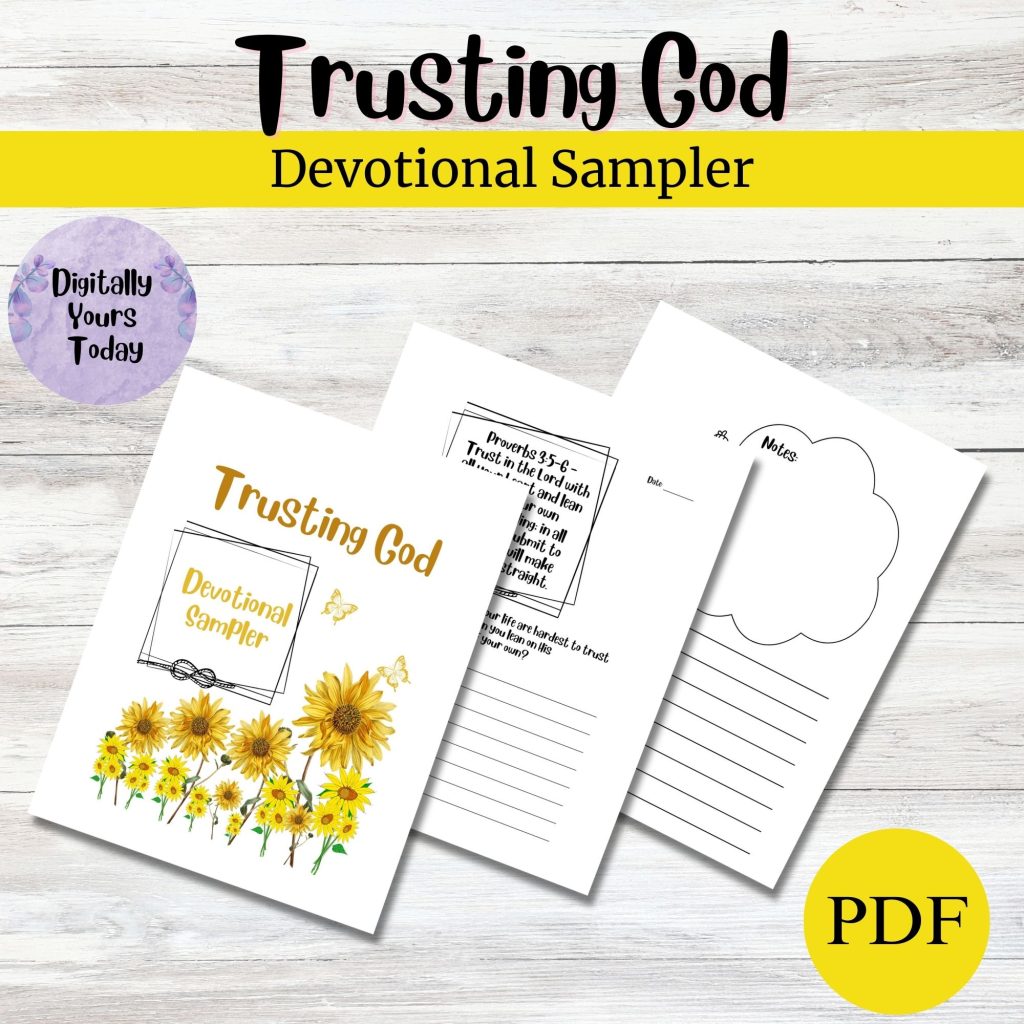
Trusting God Devotional Sampler
Don’t let the struggles of life keep you from knowing and seeing what God wants you to learn.
Spend time with God and His Word each day.
God’s Future Is Bigger Than Heaven Alone
Many believers think of the future mostly as going to heaven after death. That truth matters. Still, the Bible says more. God’s future promises include renewal, justice, joy, and peace in a restored creation.
Isaiah 65 does not describe souls floating away from earth. It shows life made whole under God’s blessing. There will be no more tears. No more sorrow. Peace reaches even into creation itself.
That picture meets a deep need. When life feels fragile, you long for more than escape. You long for things to be made right. God’s future promises answer that longing because His plan is full restoration, not mere survival.
The Promises Scripture Gives About the World God Will Make New
Isaiah 65 uses earthy, warm images because God wants His people to feel the goodness of what He will do. This is not a cold outline of future events. It is a promise of a healed world.
You see safety instead of threat. You see work that is meaningful instead of draining. You see prayer met with God’s close care. You see joy where grief once lived. These promises speak to tired hearts because they touch the places where life hurts most.
Sorrow Will Not Have the Last Word
Grief is real now, and Scripture never pretends otherwise. Women carry loss in many forms: death, betrayal, chronic strain, broken dreams, and the slow ache of unanswered prayer. God does not brush past that pain.
Yet Isaiah 65 shows that weeping is not forever. The sounds of distress will not define God’s final world. Pain may be loud in this age, but it is temporary in light of His coming renewal.
That promise does not erase today’s tears. It gives them a boundary. Sorrow has an end date in God’s plan, even when you cannot see it yet.
Because God is faithful, grief is real but it is never final. For the believer, this changes how you endure. You can mourn honestly and still hold hope. You can bring your heavy heart to God and know He is moving history toward joy.
Peace, Joy, and Fruitfulness Will Mark God’s Restored World
The rest of Isaiah’s picture is strikingly ordinary, and that is part of its beauty. Homes are secure. Work is fruitful. Families live under blessing. Even creation reflects peace instead of threat.
For busy women, that matters more than it may seem at first. Much of daily stress comes from things feeling unstable. You work hard and wonder if it will hold. You care deeply and still feel exposed.
God’s future promises answer those fears with a world where goodness is not always slipping away.
The Ordinary Is Sacred in God’s Restored World
Meaningful work continues there, but frustration does not rule it. Love continues there, but loss does not shadow it. Peace fills that world because God Himself is near.
These images are not random details. They tell you that God cares about the whole shape of human life. He made the world good, and He will not abandon His purpose for it. His future promises include lasting joy, peace, and fruitfulness under His care.
10-Day Devotional: Embracing God’s Hope in Hard Times: A printable devotional for busy Christian women seeking hope, healing, and transformation through God’s Word.
With daily scriptures, prayers, and journaling prompts, you’ll renew your mind and refocus on Christ—no matter what season you’re in.
Grab your copy of”Embracing God’s hope in Hard Times” and start experiencing the peace and clarity you’ve been craving.

How Praise and Trust Shape the Way We Wait
Hope for the future changes the tone of the present. Isaiah 12 shows the right response to God’s saving work: trust, joy, and praise. The chapter moves from fear to confidence because God is near and God saves.
That is important when anxiety keeps pressing at the edges of your day. You may not feel strong. You may not feel brave. Still, your hope does not rise from your mood. It rises from who God is.
Joy Grows When We Remember Who God Is
Isaiah 12 points God’s people back to Him. He is strength. He is salvation. Therefore, fear does not need to rule the heart.
This kind of remembering is simple but powerful. When you recall God’s character, your thoughts begin to settle. He has not changed. He will finish what He has promised. Trust grows in the same soil where panic once tried to grow.
Sometimes this looks small. You whisper a prayer while driving. You open your Bible before the house wakes up. You thank God for help in one hard hour. These are not tiny things. They are acts of trust.
Hope Turns Into Worship, Even Before the Promise Is Complete
Isaiah 12 also shows that God’s people praise Him before every promise is fully seen. They sing because His salvation is certain. Worship, then, is one way hope breathes.
This matters on normal days. You do not have to wait for life to feel easy before you praise God. You can thank Him in the middle of laundry, commutes, meals, and unfinished tasks. Praise trains your heart to look beyond what is pressing and remember what is permanent.
Hope-filled worship is practice for the world God has promised. So when you sing, pray, or speak truth to your own soul, you are not pretending life is simple. You are agreeing with God about the future, and that steadies the present.
What the Bible Says to Do Now While We Wait
God’s future promises do not pull believers away from daily faithfulness. They press us into it. Scripture ties future hope to steady obedience here and now.
II Thessalonians 3 speaks plainly about this. Some people had stopped living responsibly, perhaps because they were distracted by the Lord’s return. Paul corrects that idea. God’s future does not excuse passivity. It calls for quiet diligence, steady work, and a refusal to give up doing good.
Stay Faithful in Ordinary Responsibilities
For many women, faithfulness looks ordinary. You care for people, manage tasks, show up tired, and keep going. Scripture says that life matters.
II Thessalonians 3 encourages believers to work faithfully and not grow weary in doing what is right. That is a needed word when your days feel repetitive. God sees the unseen labor. He values obedience that no one claps for.
God’s future promises strengthen present endurance. Because Christ will make all things right, today’s work is not pointless. Because His promises are sure, you can keep serving, keep praying, and keep doing the next right thing.
Stand Firm When Life Feels Uncertain
Jesus also prepared His followers for hard times. In Luke 21, He spoke about turmoil, pressure, and seasons that would test their endurance. He did not tell them to panic. He told them to stay alert, stand firm, and trust Him.
That counsel still fits. News cycles shift. Personal trials rise without warning. Long waits can wear down even a faithful heart. Yet trouble does not cancel God’s future promises. It often becomes the place where endurance grows.
Calm faith is possible because Christ already knows the path ahead. You do not need to chase every fearful voice. You can stay grounded in truth, pray for wisdom, and keep walking in steady obedience. Hope gives you patience for the long road.
Interested in Bible Art Journaling?
Looking for a creative way to express your journey of loving God? Our “FREE Loved By God Bible Art Elements” offer beautiful and inspiring resources to enhance your Bible journaling experience. These elements are designed to help you visually celebrate and reflect on God’s love, adding a personal and artistic touch to your spiritual practice. Explore how these art elements can deepen your connection with God and enrich your study time.

You might enjoy these similar blog posts:
Embracing God’s Hope: 10 Scriptures for Hard Times
The Power of Prayer
Praying for Our Children
Praying When You’re Overwhelmed
Listening in Prayer